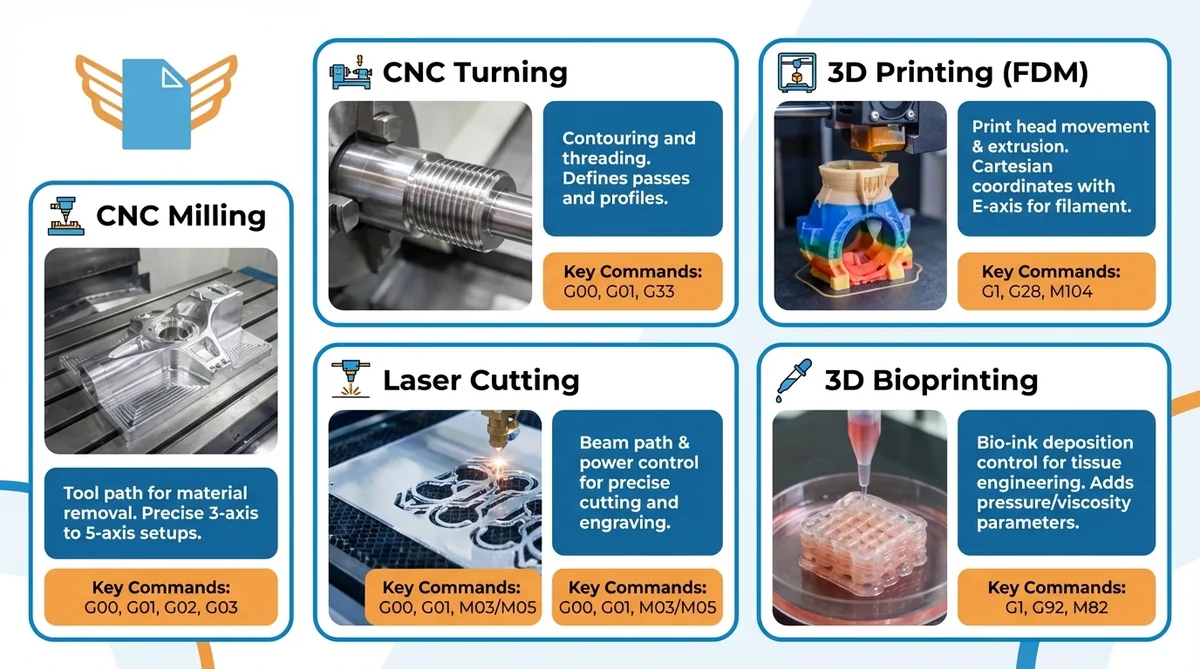
What is G-Code? The Essential Guide to Understanding CNC Machine Language
G-code is the standard programming language for CNC machines and 3D printers. Learn syntax, common commands (G00, G01, M03), safety, and CAD/CAM workflows.
Read more
Need help? Reach us at 

 +1 (855) 418-2323

 File Converters TIFF and PDF apps Forensic Freeware
G-code is the standard programming language for CNC machines and 3D printers. Learn syntax, common commands (G00, G01, M03), safety, and CAD/CAM workflows.
Read more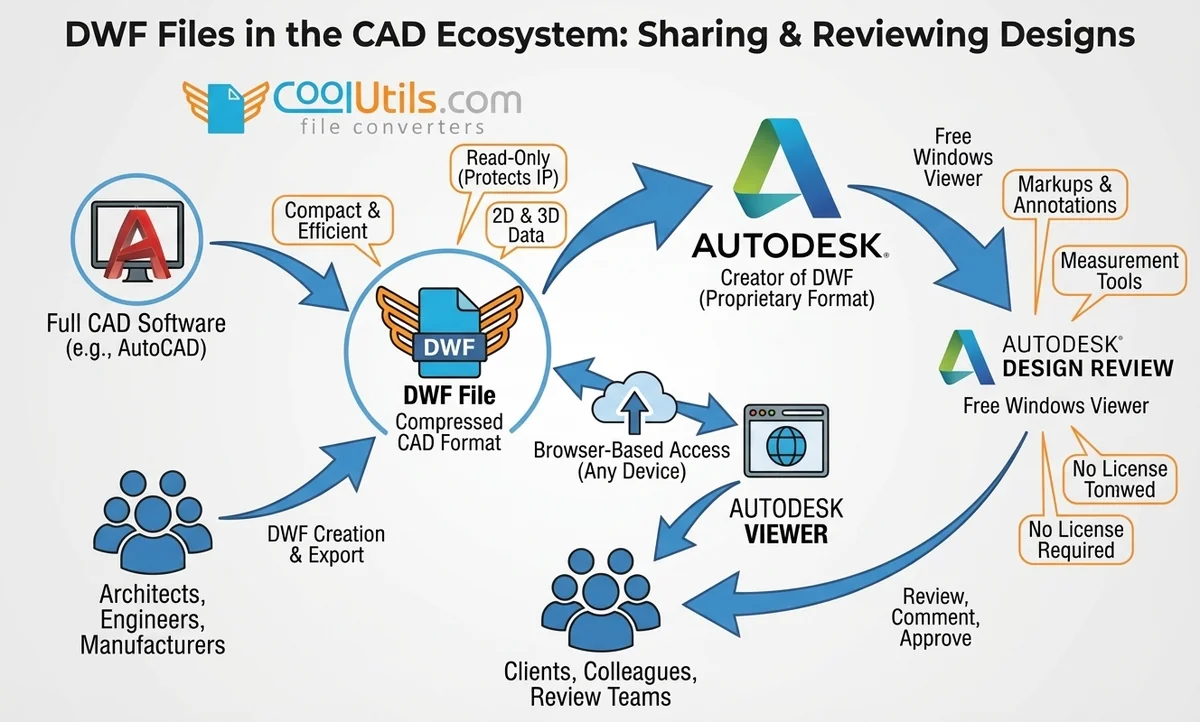
Open DWF (Design Web Format) files for free with Autodesk Design Review on Windows or Autodesk Viewer in any browser. Plus DWF-to-PDF and DWF-to-DWG conversion.
Read more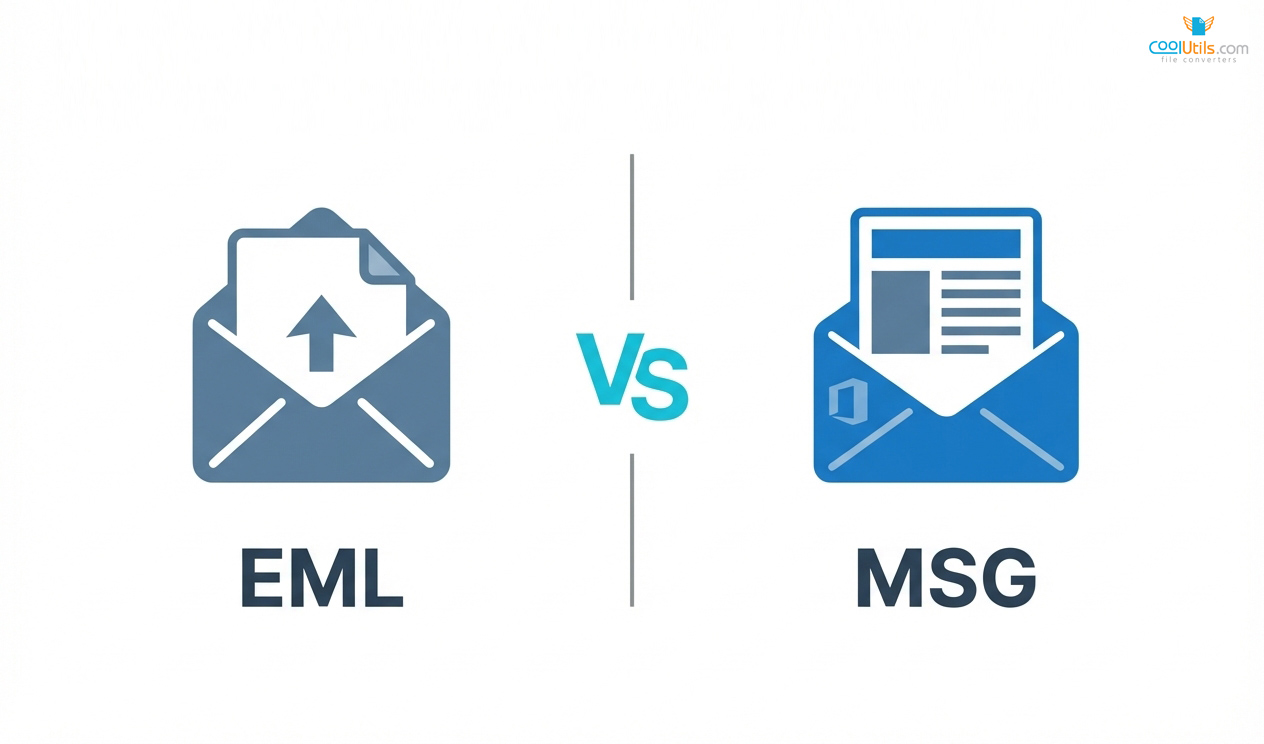
EML vs MSG: compatibility, metadata fidelity, security, and practical ways to convert between them for Outlook and cross-platform email workflows.
Read more
Compare top PST to PDF converters for secure email migration. CoolUtils leads professional conversion with data integrity preservation. Reviews & features.
Read more
Compare 20+ best OST to PST converter tools. Expert analysis of Stellar, Kernel, Advik & more. Find the perfect solution for your needs.
Read more
Compare CoolUtils EML to PST converter with top alternatives. Find the best free email conversion software for Outlook migration in 2026.
Read more
Compare CoolUtils email converter with top alternatives. Convert PST, EML, MBOX files safely with batch processing & format compatibility.
Read more
Discover the best MBOX to PST converter tools for 2026. Compare top software for Thunderbird, Apple Mail & Gmail migration to Outlook with expert reviews.
Read more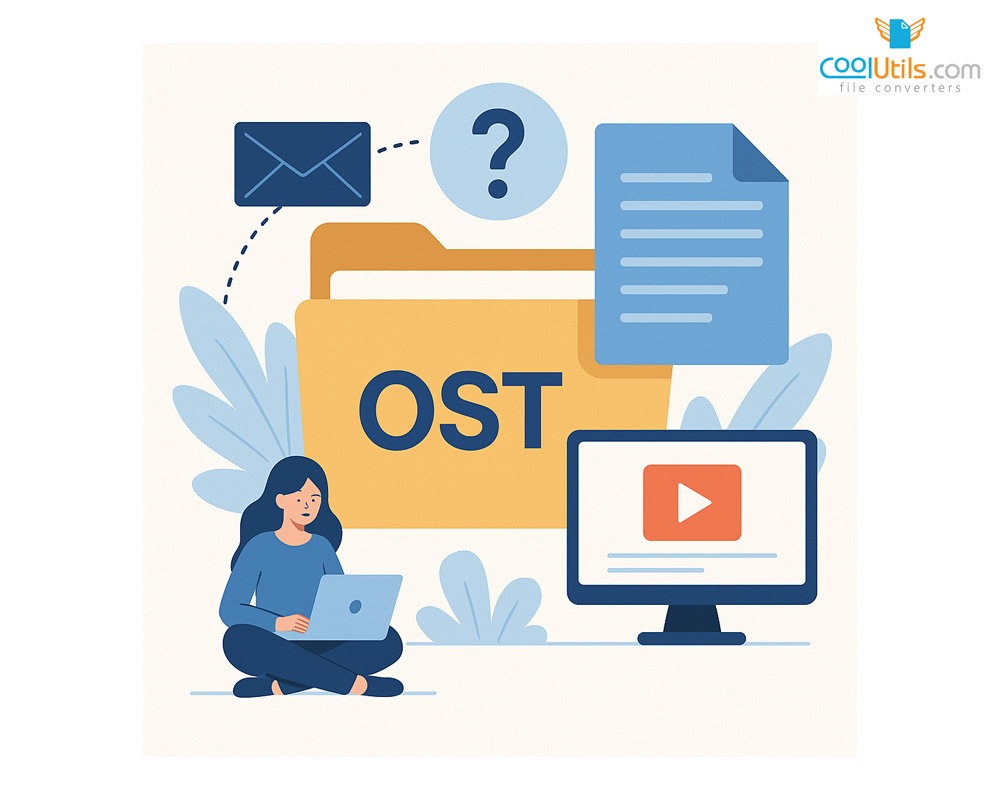
Learn everything about OST files in this article: what they are, how to work with OST file format and what are key differences between OST...
Read more
Learn what an MBOX file is, which email clients use this format to store email messages (like Thunderbird, Apple Mail), and how to access MBOX...
Read more© 2026. All rights reserved. CoolUtils File Converters
